If the pulp is vital, and the apex is open the primary goal is apexogenesis. The goal of treatment is to keep vital pulp tissue alive in the affected root.
- Apexification (Traditional): Involves long-term placement of calcium hydroxide in the canal to induce a calcified bridge at the apex. This process is time-consuming, often taking 6–24 months and requiring multiple visits, there is some evidence that long term dressing can weaken the root over time.
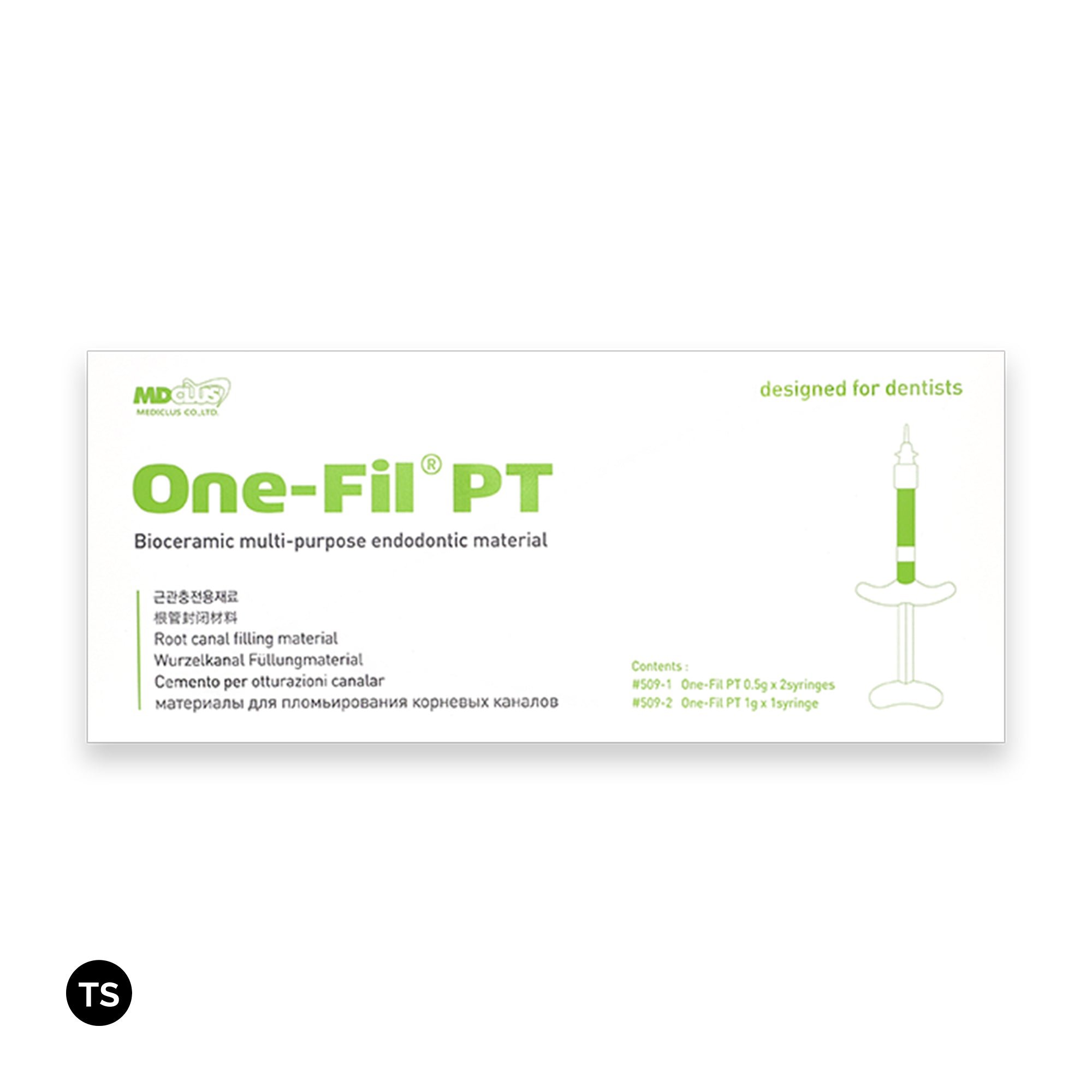
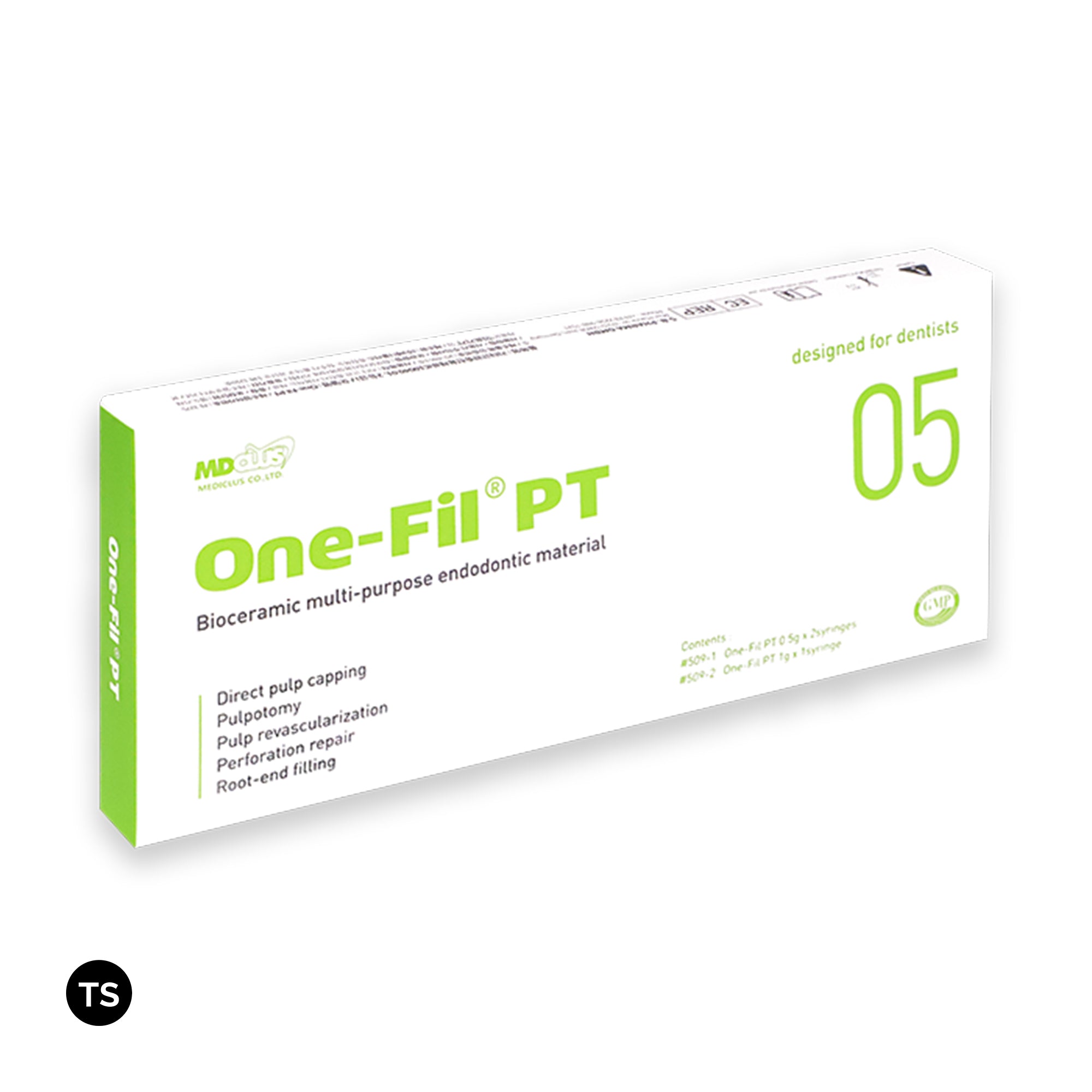
- In Apical Plug Technique (One-Step Apexification): A method where a 3–5 mm plug of a bioactive material (like Onefil Pt/injectable) is placed at the apex to create an immediate seal. To prevent the over-extrusion of material, an internal matrix such as a collagen sponge or Platelet-Rich Fibrin (PRF) may be used as an apical barrier.
- Regenerative Endodontics (Revascularization): A newer approach that aims to restore vascularized tissue within the canal. It involves disinfecting the canal, inducing bleeding to form a blood clot scaffold, and sealing it with a bioceramic such as One-fil sealer, PT or injectable . This can lead to increased root length and wall thickness. Histological studies have show that this achieves repair rather than regeneration as there are no odontoblast, no dentinal tubules, with cementum, bone like tissue and fibrous connective tissue similar to PDL being found.