
Apex Locators
5 products
Showing 1 - 5 of 5 products
Apex locator • Working length accuracy • Real-time endodontic feedback
Woodpecker Apex Locator for Accurate Working Length Determination
A modern electronic apex locator is one of the most important tools in endodontics, helping clinicians determine working length accurately, reduce unnecessary radiographs and minimise the risk of over-instrumentation.
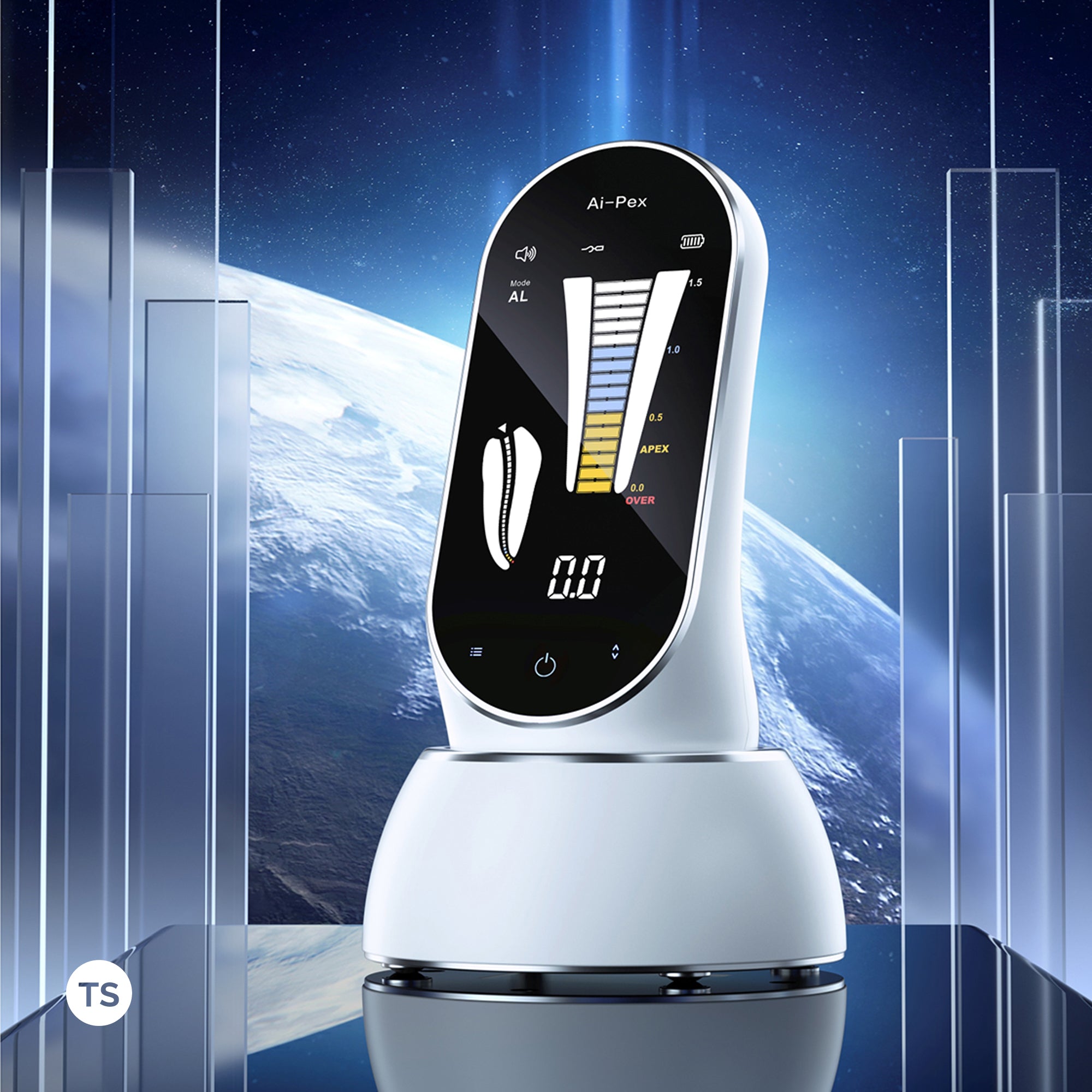
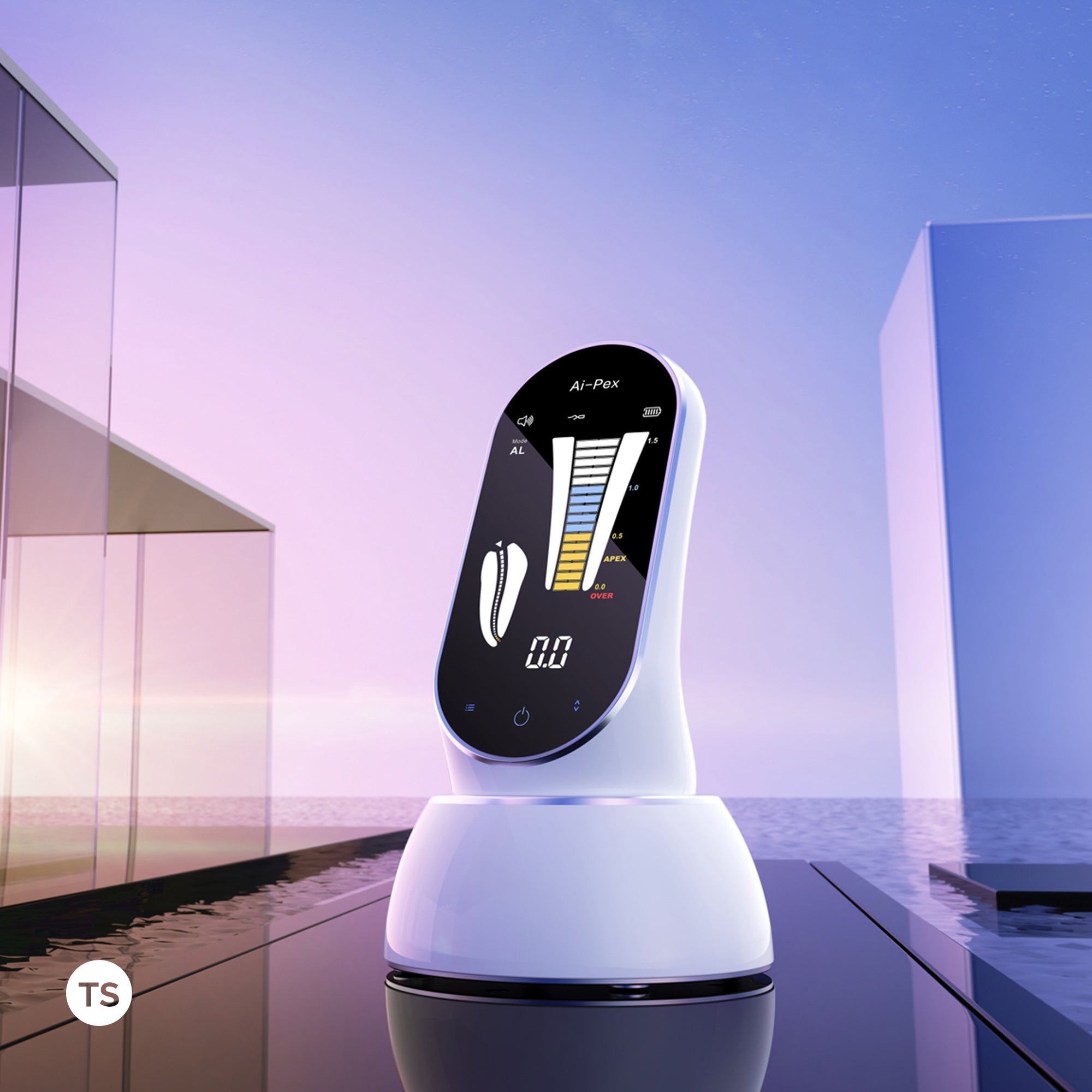
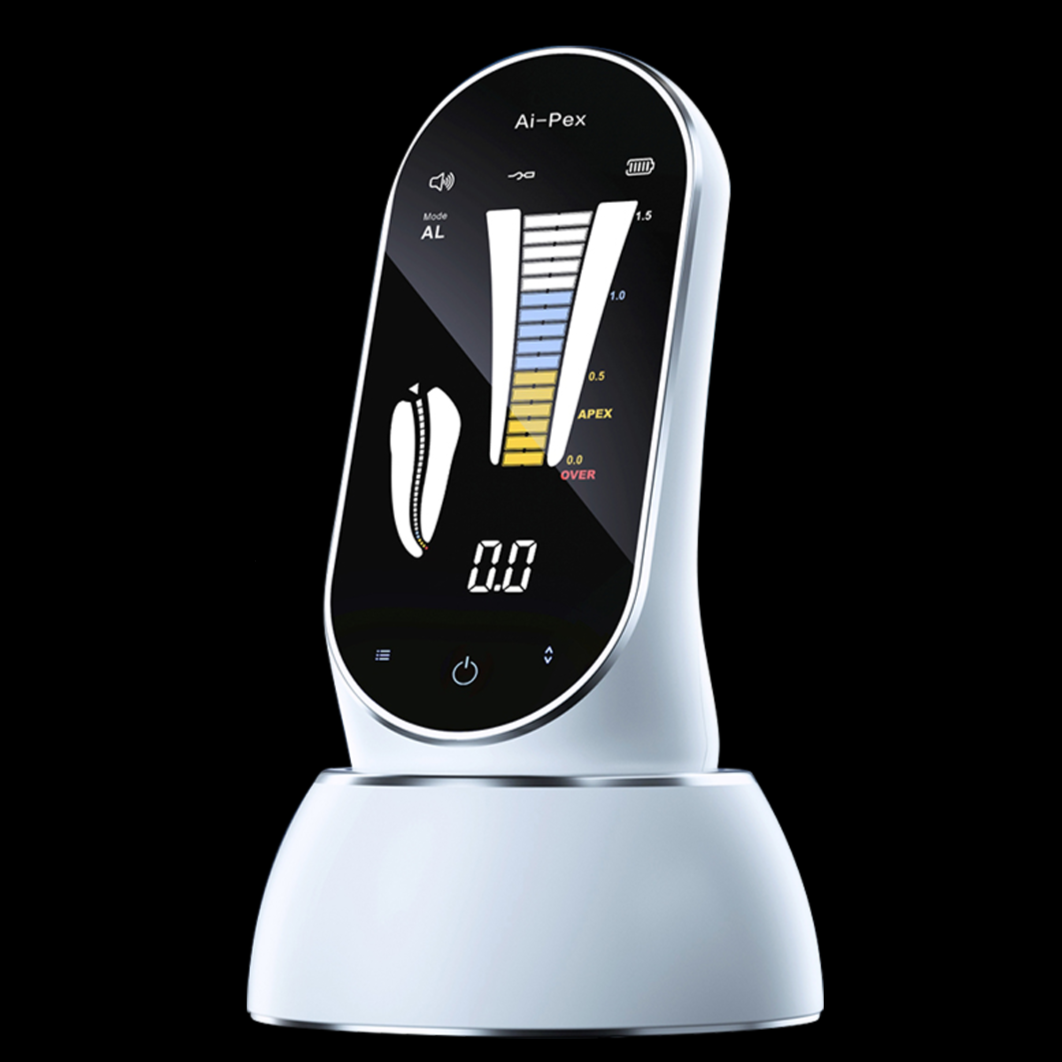
Woodpecker apex locators, including devices from the Ai-Pex and Woodpex range, are designed to provide real-time visual and audible feedback as the file approaches the apical region.
Accurate Working Length
Modern electronic apex locators are highly accurate for locating the apical region.
Real-Time Feedback
Visual and audible guidance helps clinicians monitor file progression during treatment.
Reduced Radiographs
Helps reduce the number of working length radiographs needed during endodontic treatment.
Endodontic Safety
Supports controlled instrumentation and helps reduce the risk of over-preparation.
Why electronic apex locators are essential in modern endodontics
Accurate working length determination is critical in root canal treatment. If the working length is too short, infected tissue and debris may be left behind. If the working length is too long, there is a greater risk of over-instrumentation, extrusion of irrigant or debris, postoperative discomfort and damage to the apical tissues.
A modern electronic apex locator helps clinicians determine the position of the file relative to the apical region in real time. This makes it an essential tool for endodontic access, canal negotiation, shaping, irrigation and obturation.
Radiographs remain important in endodontics because they show canal curvature, root morphology, restorations, pathology and surrounding anatomy. However, radiographs are two-dimensional and cannot always identify the true position of the apical foramen. This is where an apex locator provides significant clinical value.
Toothsaver clinician view
Apex locators should not be viewed as a replacement for clinical judgement or radiographs. They are best used alongside pre-operative and confirmatory radiographs to provide accurate, real-time working length information. In daily endodontics, this improves control, reduces unnecessary radiographic exposure and helps clinicians avoid over-instrumentation.
Electronic apex locator accuracy
Modern electronic apex locators are consistently reported as highly accurate for working length determination. Many studies report accuracy levels around 90–98% within ±1 mm of the apical foramen, although results vary depending on the device, canal anatomy, file size, irrigant, apical diameter and whether the study is in vivo, ex vivo or in vitro.
Woodpecker apex locator models, including Woodpex devices, have featured in comparative studies assessing electronic working length accuracy. These studies support the clinical usefulness of electronic apex locators as part of a modern endodontic workflow.
Apex locator vs radiograph
Radiographs show anatomy. Apex locators provide real-time electronic working length feedback. Used together, they give the clinician a more complete and safer approach to endodontic treatment.
Why apex locators can be more accurate than radiographs alone
Radiographs are essential, but they have limitations. They compress three-dimensional anatomy into a two-dimensional image, and the radiographic apex does not always correspond to the apical foramen or apical constriction.
Electronic apex locators work differently. They use electrical measurements to detect the position of the file within the canal and provide live feedback as the file approaches the apical region.
The clinician can monitor file progression during canal negotiation rather than relying only on a static radiograph.
Immediate feedback helps reduce the risk of passing beyond the apical foramen.
Electronic feedback can be helpful when radiographic interpretation is limited by root curvature or image angulation.
Apex locators can reduce the number of working length radiographs required during treatment.
Real-time feedback during endodontic treatment
One of the major advantages of an apex locator is that it gives immediate feedback while the file is inside the canal.
Unlike a radiograph, which captures a single moment, an electronic apex locator provides live visual and audible cues as the file progresses. This allows the clinician to adjust file position, confirm canal length and reduce the chance of accidentally working beyond the apex.
Improved safety and reduced radiation exposure
Apex locators help reduce reliance on repeated working length radiographs. This does not remove the need for radiographs, but it can reduce the number required during treatment.
Fewer working length radiographs means reduced exposure to ionising radiation for the patient and a more efficient clinical workflow for the dental team.
Clinical note
Apex locators should be used as part of a complete endodontic assessment. Pre-operative radiographs remain essential for diagnosis, anatomy, curvature, pathology and treatment planning. Apex locator readings should be interpreted alongside radiographic and clinical findings.
Clinical applications
A Woodpecker apex locator can be used across a wide range of endodontic procedures, including:
- Working length determination
- Canal negotiation
- Endodontic access and canal location
- Shaping and cleaning procedures
- Retreatment cases
- Curved canals
- Multi-rooted teeth
- Confirmation during obturation planning
- Reducing the need for repeated working length radiographs
Ai-Pex and Woodpex clinical relevance
Woodpecker’s apex locator range includes devices designed for accurate working length measurement, real-time visual display and clear audible feedback.
The Ai-Pex range is designed for modern endodontic workflow, while Woodpex apex locators have featured in comparative accuracy studies evaluating electronic working length measurement.
For clinicians, the key benefit is practical: a reliable apex locator helps make working length determination more predictable, especially when used alongside radiographs and good clinical technique.
What makes a good apex locator?
The most important function is accurate detection of the apical region.
A good apex locator should provide stable feedback during canal negotiation.
Visual information should be easy to interpret during treatment.
Sound cues help clinicians monitor file position without constantly looking away from the field.
Modern apex locators are designed to work in clinical canal conditions where irrigants may be present.
Apex locators help make working length determination faster and more predictable.
Why buy an apex locator from Toothsaver?
Toothsaver is an independent, clinician-led dental store founded by Dr Daniel Flynn. We are different from standard dental e-commerce stores because products are selected for clinical usefulness, not manufacturer pressure.
Apex locators are listed because they solve a real clinical problem in endodontics: accurate, efficient and safer working length determination.
The Toothsaver difference
- Clinician-led product selection
- Independent recommendations
- Products chosen for practical clinical value
- Customer-first pricing
- Support from a dental team that understands endodontics
Frequently asked questions
What does an apex locator do?
An apex locator helps determine the position of an endodontic file in the root canal and assists with accurate working length determination.
Are apex locators more accurate than radiographs?
Modern apex locators are often reported to be more accurate than radiographs alone for working length determination, especially within ±1 mm of the apical foramen. Radiographs are still essential for diagnosis, anatomy and confirmation.
Can an apex locator replace X-rays?
No. An apex locator should not fully replace radiographs. It should be used alongside radiographs as part of a complete endodontic workflow.
Why use an apex locator if I already take working length radiographs?
Apex locators provide real-time feedback, reduce reliance on repeat working length radiographs and help reduce the risk of over-instrumentation.
Do apex locators reduce radiation exposure?
Yes. By reducing the number of working length radiographs required, apex locators can help reduce patient exposure to ionising radiation.
Are Woodpex apex locators supported by clinical studies?
Woodpex models have been included in comparative accuracy studies of electronic apex locators, with results supporting their clinical usefulness for working length determination.
What accuracy can I expect from a modern apex locator?
Many modern electronic apex locators report accuracy around 90–98% within ±1 mm of the apical foramen, although accuracy varies by device, canal anatomy, irrigant, file size and study method.
Is an apex locator useful in endodontic retreatment?
Yes. Apex locators can be useful in retreatment cases, but readings must be interpreted carefully alongside radiographs and clinical judgement.
Does an apex locator help prevent over-instrumentation?
Yes. Real-time feedback helps clinicians recognise when the file is approaching or passing beyond the apical region, reducing the risk of over-instrumentation.
Should every endodontic case use an apex locator?
In modern endodontics, an apex locator is considered an important tool for working length determination and is best used alongside radiographs and clinical judgement.
Summary
A modern electronic apex locator is essential for accurate working length determination in endodontics.
With high reported accuracy, real-time visual and audible feedback, reduced reliance on repeat working length radiographs and improved control during canal preparation, Woodpecker apex locators such as Ai-Pex and Woodpex-style devices are practical tools for safer, more predictable root canal treatment.